
NaturesZion Beekeeping
Preparing Honey Bees for Winter: A Complete UK Beekeeping Guide
Preparing honey bees for winter is one of the most important responsibilities of a UK beekeeper. As temperatures fall and natural forage becomes scarce, colonies depend on healthy workers, sufficient food reserves and suitable hive conditions to survive until spring. Although honey bees are remarkably well adapted to cold weather, poor autumn preparation can leave…
Read MoreUnderstanding Queen Bees: Their Role, Development and Behaviour
Understanding queen bees is essential for anyone interested in honey bee biology or responsible beekeeping. Although a queen is often described as the leader of a colony, her actual role is more specialised. She is primarily responsible for reproduction, while her chemical signals influence colony organisation and behaviour. A healthy honey bee colony normally contains…
Read MoreHoney Bee Anatomy: A Complete Guide to How Honey Bees Work
Understanding honey bee anatomy reveals how these remarkable insects survive, communicate and maintain highly organised colonies. Every part of a honey bee’s body has evolved to perform specific functions, from detecting flowers and collecting pollen to producing wax and defending the hive. Although honey bees appear relatively simple from the outside, their internal structures are…
Read MoreHow to Harvest Honey: A Complete UK Beekeeping Guide
Learning how to harvest honey is one of the most rewarding parts of beekeeping. After months of caring for a colony, watching the bees develop and monitoring local forage, harvesting offers an opportunity to enjoy the results of their remarkable work. However, collecting honey responsibly involves much more than removing frames and filling jars. Successful…
Read MoreCommon Honey Bee Diseases in the UK: Symptoms, Prevention and Treatment
Understanding honey bee diseases in the UK is an important part of responsible beekeeping. Although honey bees are remarkably resilient, they remain vulnerable to parasites, bacterial infections, fungal diseases and viruses that can seriously affect colony health. Some conditions develop gradually, while others can spread rapidly and threaten neighbouring apiaries. Fortunately, regular inspections, good hygiene…
Read MoreEssential Beekeeping Equipment: What Beginners Need in the UK
Choosing essential beekeeping equipment is one of the first steps towards keeping honey bees in the UK. However, beginners can easily become overwhelmed by the number of hives, tools and accessories available. Fortunately, starting beekeeping does not require buying every piece of equipment on the market. A suitable hive, protective clothing, basic tools and healthy…
Read MoreFeeding Honey Bees: When, What and How to Feed Your Bees in the UK
Feeding honey bees is an important part of responsible beekeeping, particularly in the unpredictable British climate. However, supplementary feeding should support natural foraging, not replace it. Ideally, honey bees collect enough nectar and pollen to sustain their colony throughout the year. Unfortunately, poor weather, seasonal nectar shortages and limited forage can sometimes leave them without…
Read MoreWelcome to the NaturesZion Apiary 🐝
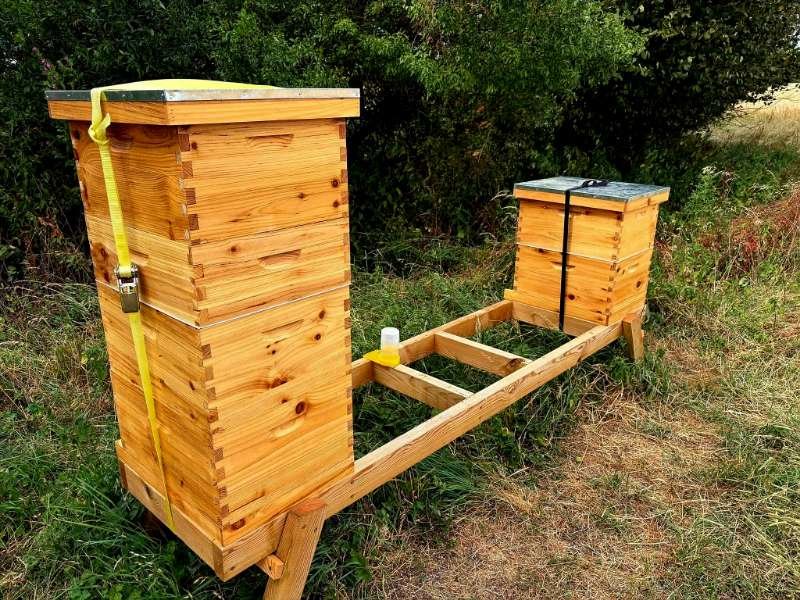
At NaturesZion, our passion has always been about working with nature, not against it. The NaturesZion Apiary is a natural extension of that philosophy. While many people know us for our invertebrates, beekeeping allows us to support biodiversity, conservation, and the incredible ecosystems that depend on pollinators. Our apiary is still growing, and we have…
Read More