
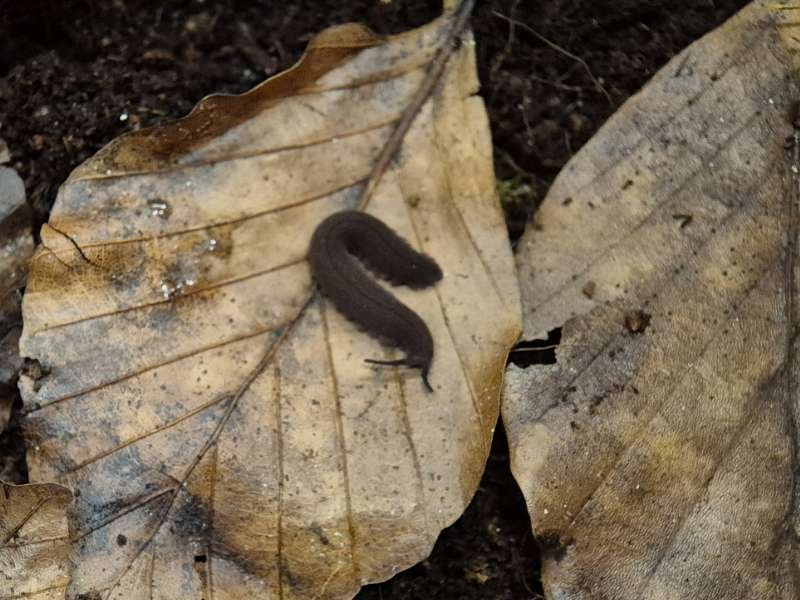
Eoperipatus totoro ‘Velvet Worm’
£80.00
Scientific Name: Eoperipatus totoro
Common Name: Velvet Worm
Eoperipatus totoro is a remarkable ancient predator prized for its soft velvety body, unusual appearance, and unique slime-shooting hunting behaviour. Additionally, its rarity in captivity and extraordinary evolutionary history make it one of the most sought-after invertebrates in the hobby.
🪱 Ancient Onychophoran Species | 🎯 Shoots Sticky Hunting Slime | 🌿 Highly Sought-After Collector Species
Description
Scientific Name: Eoperipatus totoro
Common Name: Velvet Worm
Size/age: juveniles 3-5cm
Eoperipatus totoro is one of the most unusual and sought-after invertebrates available in the hobby. Commonly known as a Velvet Worm, this remarkable species belongs to an ancient lineage that predates the dinosaurs and has changed very little over millions of years. Its soft velvety body, unique appearance, and fascinating hunting behaviour have earned it legendary status among invertebrate enthusiasts worldwide.
Unlike insects, arachnids, or myriapods, velvet worms belong to the phylum Onychophora. As a result, they represent a completely distinct branch of animal evolution. Their unusual anatomy and primitive characteristics provide a rare glimpse into an ancient group of terrestrial predators.
Perhaps most famous is their remarkable hunting method. Velvet worms capture prey by ejecting streams of sticky adhesive slime from specialised oral papillae. This adhesive rapidly entangles small invertebrates, allowing the worm to subdue and consume its prey. Consequently, they are widely regarded as one of the most fascinating predatory invertebrates in the hobby.
Native Habitat
Eoperipatus totoro originates from humid tropical forests in Southeast Asia. These environments contain deep leaf litter, rotting wood, moss, and dense organic material that provide stable humidity and protection from drying conditions.
During daylight hours, velvet worms typically remain hidden beneath logs, bark, leaf litter, and other sheltered locations. They emerge primarily at night to hunt and explore their surroundings.
Because they rely heavily on moisture, stable humidity remains essential for their long-term health and wellbeing.
Care Information
This species thrives in a well-established enclosure containing deep leaf litter, rotten wood, moss, and a moisture-retentive substrate. A naturalistic setup encourages normal behaviours while helping maintain suitable environmental conditions. Mould and bacteria can be fatal, even in small amounts, so very regular maintenance is key! These can be tricky and require a keeper that has good experience with maintaining stable conditions and diligent care. A full care sheet can be found in the care guid section.
Temperature: 20-25°C
Humidity: High humidity with gentle/minimal airflow
Diet: Small invertebrates including springtails, fruit flies, bean weevils, and other suitable prey items
Difficulty: Advanced
Stable conditions are particularly important because velvet worms can be sensitive to environmental fluctuations. Furthermore, excessive heat and dry conditions should always be avoided.
Multiple hides should be provided throughout the enclosure. Consequently, the animals can regulate their preferred microclimate naturally.
Breeding Information
Eoperipatus totoro reproduces through internal fertilisation and gives birth to live young rather than laying eggs. The young emerge fully formed and immediately begin exploring the enclosure.
Growth occurs gradually through successive moults. Furthermore, juveniles closely resemble miniature adults from birth.
Successful breeding generally requires stable environmental conditions, appropriate humidity, and a consistent food supply and regular enclosure maintenance. As a result, captive breeding remains a significant achievement among invertebrate keepers.
Captive-Bred Details
All specimens are captive bred. Captive-bred Eoperipatus totoro adapt more readily to established enclosures while supporting sustainable invertebrate keeping.
With its ancient lineage, extraordinary hunting behaviour, and unique evolutionary history, Eoperipatus totoro stands among the most fascinating invertebrates available in captivity. Whether maintained as a display species or as part of a specialist collection, this remarkable velvet worm offers an experience unlike any other animal in the hobby.
For a more in depth care guide Click here
Captive Bred
Reviews
There are no reviews yet.