
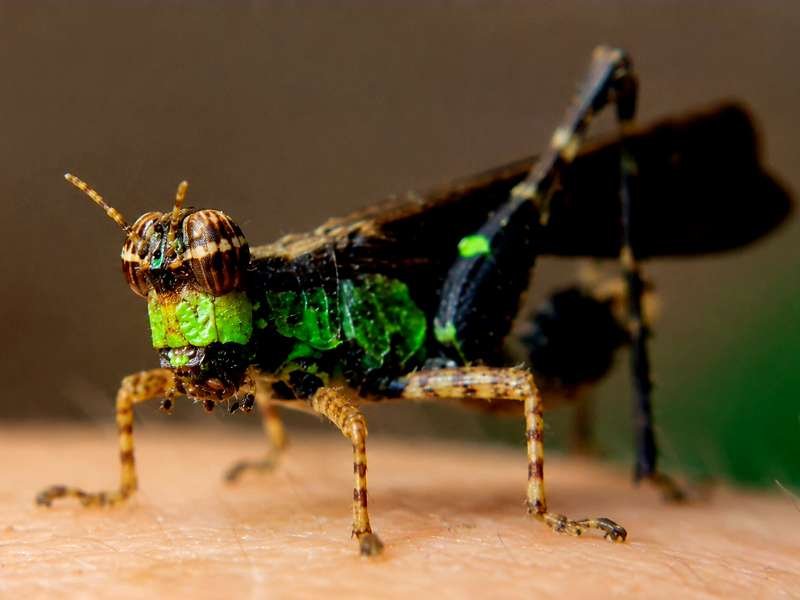
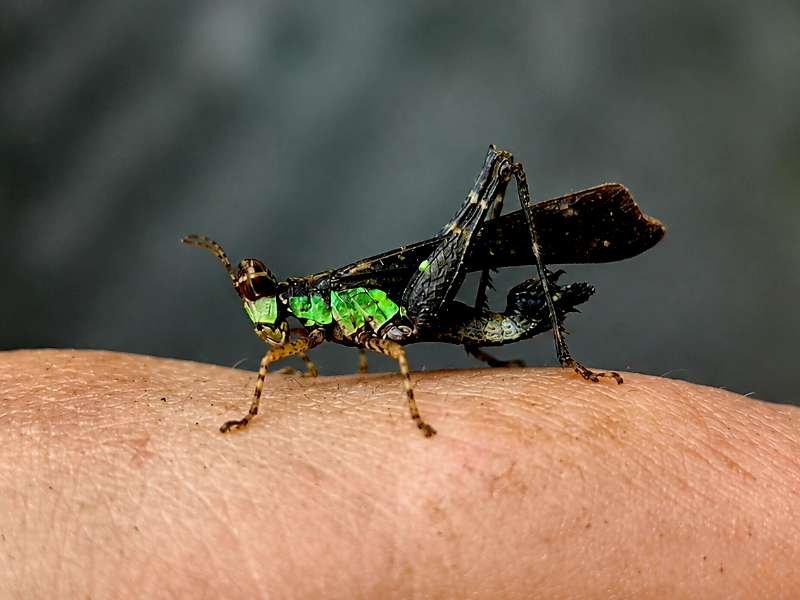
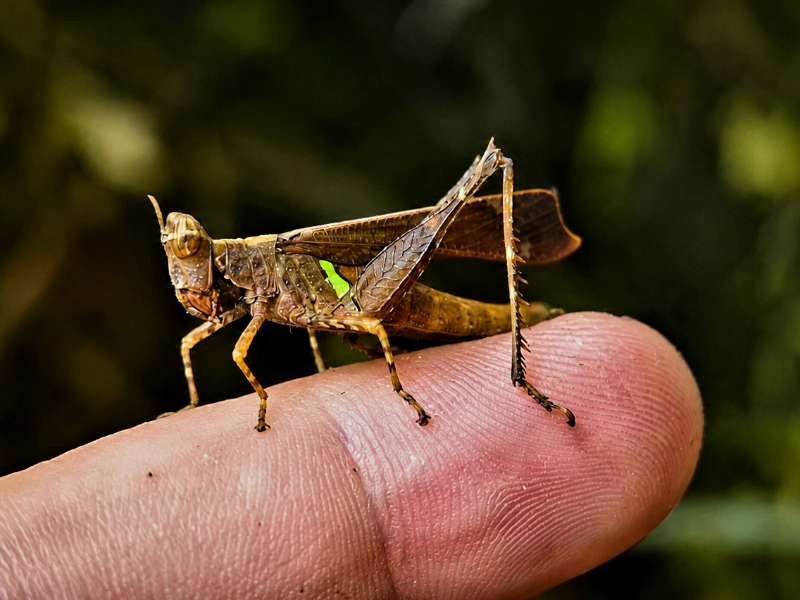
Erucius bifasciatus ‘Monkey Faced Grasshoppers’
Price range: £4.00 through £20.00
Scientific Name: Erucius bifasciatus
Common Name: Monkey Grasshopper
Erucius bifasciatus ‘Monkey Faced Grasshopper’ is a fascinating tropical species with a distinctive face and calm temperament. Furthermore, it is easy to keep and highly rewarding to observe.
🐵 Distinctive Monkey-Like Face | 🌿 Excellent Display Species | ♻️ Captive Bred
Description
Scientific Name: Erucius bifasciatus
Common Name: Monkey Faced Grasshopper
Native Habitat
Erucius bifasciatus inhabits tropical forests and woodland habitats throughout Southeast Asia. It lives amongst shrubs, young trees, and dense vegetation.
These habitats provide food, shelter, and ideal breeding conditions. Consequently, this species thrives within warm, humid environments rich in foliage.
Furthermore, dense vegetation provides camouflage and protection from predators. Therefore, similar conditions should be recreated in captivity.
Care Information
Erucius bifasciatus ‘Monkey Faced Grasshopper’ is a fascinating Southeast Asian species admired for its unusual appearance and calm temperament. Its distinctive face gives rise to its popular common name.
Furthermore, its striking colouration and curious behaviour make it an outstanding display insect. As a result, it has become increasingly popular among exotic insect keepers.
Unlike many larger grasshopper species, Monkey Grasshoppers remain relatively compact. Consequently, they are well suited to naturalistic terrariums and display enclosures.
This species spends much of its time climbing through vegetation and exploring its surroundings. Therefore, a well-planted enclosure allows natural behaviours to be observed easily.
Temperature: 22-28°C
Humidity: Moderate to high humidity with regular misting
Diet: Bramble, rose, oak, and other suitable pesticide-free foliage
Difficulty: Easy
Provide a tall, well-ventilated enclosure with plenty of branches and climbing opportunities. Additionally, include dense foliage to create cover and resting areas.
Maintain a slightly moist substrate, such as coco fibre, to help retain humidity. Meanwhile, avoid overly wet conditions.
Strong airflow remains important for healthy moults and enclosure hygiene. Consequently, good ventilation should always be provided.
Fresh food plants should be available at all times. Therefore, healthy growth and development remain supported throughout the life cycle.
Breeding Information
Females deposit eggs directly into the substrate. Consequently, a suitable egg-laying medium remains important for successful breeding.
Under stable conditions, colonies breed readily in captivity. Furthermore, nymphs progress through several moults before reaching adulthood.
Warm temperatures, suitable humidity, and fresh food encourage healthy development. As a result, breeding projects can prove both productive and rewarding.
Captive-Bred Details
All specimens are captive bred. Therefore, they adapt exceptionally well to enclosure life.
Captive-bred Monkey Grasshoppers establish readily and display natural behaviours quickly. Furthermore, they perform exceptionally well in tropical display enclosures.
Their unusual appearance, peaceful nature, and engaging behaviour create exceptional appeal. As a result, they remain one of the most interesting orthopteran species available in the hobby.
Whether maintained as a breeding group or display colony, this species performs exceptionally well. Ultimately, Erucius bifasciatus combines beauty, personality, and ease of care in one remarkable package.
🐵 Distinctive Monkey-Like Face | 🌿 Excellent Display Species | ♻️ Captive Bred
Additional information
| Size | Singular, Nymphs x 6, Adult pairs x 2 |
|---|
Reviews
There are no reviews yet.