

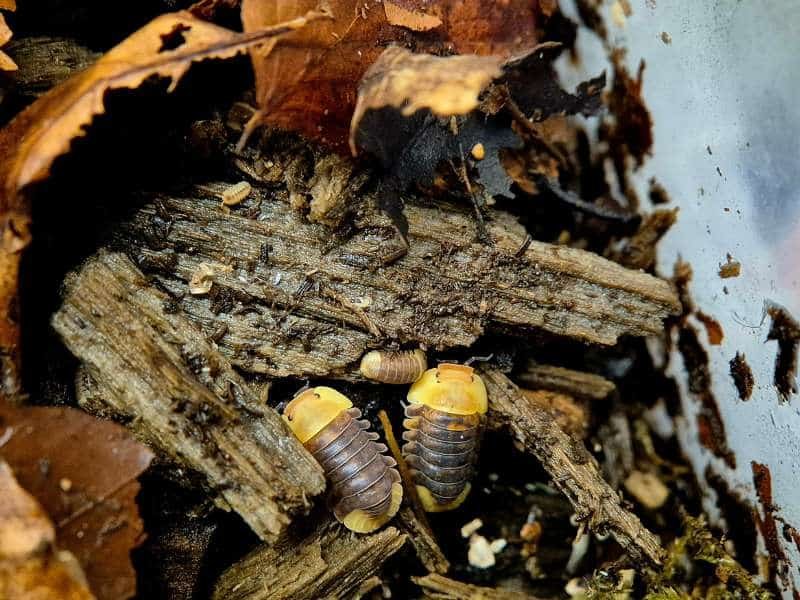
Cubaris ‘Rubber Ducky’
Price range: £50.00 through £90.00
Scientific Name: Cubaris ‘Rubber Ducky’
Common Name: Rubber Ducky
Cubaris ‘Rubber Ducky’ is a famous tropical isopod with distinctive duck-like markings and exceptional collector appeal. Furthermore, its unique appearance makes it one of the most sought-after species in the hobby.
🦆 Iconic Duck-Like Markings | 🏔️ Thai Cave Species | ♻️ Captive Bred
Description
Scientific Name: Cubaris ‘Rubber Ducky’
Common Name: Rubber Ducky
Native Habitat
Cubaris ‘Rubber Ducky’ originates from humid limestone cave systems in Thailand. It inhabits organic-rich areas containing leaf litter, decaying wood, and calcium-rich substrates.
These cave environments provide stable humidity and abundant shelter. Consequently, this species thrives in protected microhabitats.
Furthermore, natural limestone deposits supply valuable calcium sources. Therefore, access to calcium remains essential in captivity.
Care Information
Cubaris ‘Rubber Ducky’ is one of the most iconic isopods in the hobby. Its distinctive markings resemble the face of a tiny rubber duck.
Furthermore, its unusual appearance has earned worldwide popularity among collectors. As a result, it remains one of the most sought-after species available.
This species displays calm and deliberate behaviour within the enclosure. Consequently, it makes an excellent display isopod for dedicated keepers.
Temperature: 20-26°C
Humidity: High humidity with good airflow
Diet: Leaf litter, rotten wood, vegetables, fish flakes, bee pollen, mushrooms, bat guano, and protein-rich foods
Difficulty: Moderate
Provide a substrate rich in decayed hardwood, rotten wood, and leaf litter. Additionally, include limestone, oyster shell, or cuttlebone as calcium sources.
Maintain a moisture gradient throughout the enclosure. Meanwhile, provide cork bark, moss, and decomposing wood for shelter.
Stable conditions are particularly important for this species. Therefore, avoid sudden changes in temperature or humidity.
Breeding Information
This species reproduces more slowly than many common isopods. Therefore, patience and consistency remain important.
Stable humidity, warmth, and quality nutrition support reproduction. Furthermore, regular access to calcium encourages healthy development.
Established colonies breed steadily over time. Consequently, long-term projects often prove highly rewarding.
Captive-Bred Details
All specimens are captive bred. Therefore, they adapt well to established enclosures and captive conditions.
Their unmistakable appearance and legendary hobby status create exceptional collector appeal. As a result, they remain one of the most desirable isopods available.
Whether you maintain display cultures or breeding colonies, this species offers lasting interest. Ultimately, few isopods are as recognisable as the famous Rubber Ducky.
🦆 Iconic Duck-Like Markings | 🏔️ Thai Cave Species | ♻️ Captive Bred
Additional information
| Amount | 5, 10 |
|---|
Reviews
There are no reviews yet.