
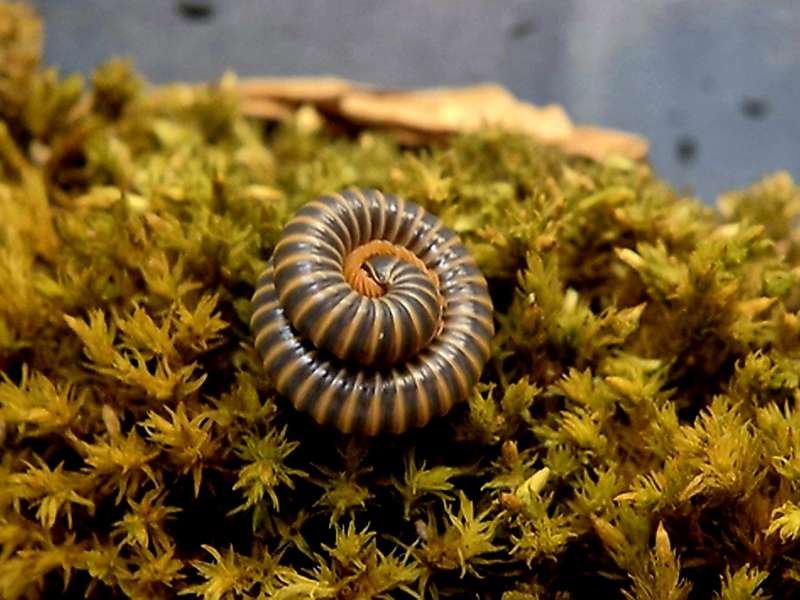
Benoitolus siamensis ‘Siamese Glow Millipede’
£6.00
Scientific Name: Benoitolus siamensis
Common Name: Siamese Glow Millipede
Benoitolus siamensis is a fascinating Thai millipede prized for its compact size, active behaviour, and association with naturally glowing millipede species. Additionally, its rarity in captivity and suitability for bioactive enclosures make it highly desirable among millipede enthusiasts and collectors.
✨ Associated with Glowing Millipedes | 🇹🇭 Native to Thailand | 🌿 Excellent Bioactive Species
Description
Scientific Name: Benoitolus siamensis
Common Name: Siamese Glow Millipede
Available: Subadults
Benoitolus siamensis, commonly known as the Siamese Glow Millipede, is a fascinating Southeast Asian species prized for its unusual appearance, compact size, and reported bioluminescent properties. This remarkable millipede has attracted significant interest among collectors due to its rarity in captivity and its association with naturally glowing millipede species.
Native to Thailand, this species inhabits humid forest environments rich in leaf litter, decaying wood, and organic debris. Like many tropical millipedes, it plays an important ecological role by breaking down dead plant material and recycling nutrients back into the ecosystem.
Unlike many larger giant millipedes, Benoitolus siamensis remains relatively compact. Consequently, it is well suited to naturalistic displays and bioactive enclosures. Furthermore, its active behaviour and unusual natural history make it a rewarding species for both experienced keepers and collectors seeking something different.
Native Habitat
Benoitolus siamensis originates from tropical forests in Thailand. These habitats provide abundant leaf litter, decaying hardwood, and consistently humid conditions throughout much of the year.
The species spends much of its time within decomposing organic material where it feeds, shelters, and contributes to nutrient cycling. Therefore, a well-established enclosure containing plenty of organic matter closely replicates its natural environment.
Care Information
This species thrives in a humid enclosure containing a deep substrate rich in decomposing hardwood, leaf litter, and organic material. A well-established setup encourages natural behaviours while supporting long-term colony health.
Temperature: 20-26°C
Humidity: Moderate to high humidity with good ventilation
Diet: Decaying hardwood, leaf litter, vegetables, fish flakes, bee pollen, and calcium-rich foods
Difficulty: Easy
A deep substrate remains essential because these millipedes spend much of their time within the upper layers of decomposing material. Additionally, rotten wood and leaf litter should form the foundation of their diet.
While the species appreciates humidity, excessive moisture should be avoided. Consequently, good airflow and a moisture gradient generally produce the best results.
Breeding Information
Benoitolus siamensis can breed successfully in captivity when provided with stable environmental conditions and a nutrient-rich substrate. Females deposit eggs within the substrate where developing young remain protected among decaying organic material.
Juveniles emerge as miniature versions of the adults and gradually increase in size through successive moults. Furthermore, established colonies often grow steadily when food sources remain abundant and environmental conditions remain consistent.
Patience remains important because colony growth may occur gradually before increasing over time.
Captive-Bred Details
All specimens are captive bred. Captive-bred Benoitolus siamensis adapt readily to established enclosures and support sustainable invertebrate keeping.
With its fascinating natural history, compact size, and association with glowing millipede species, Benoitolus siamensis stands out as one of the most unusual millipedes available in the hobby. Whether maintained as a display species or incorporated into a naturalistic ecosystem, this remarkable Thai millipede offers something truly different for collectors and enthusiasts alike.
Captive Bred
Reviews
There are no reviews yet.