
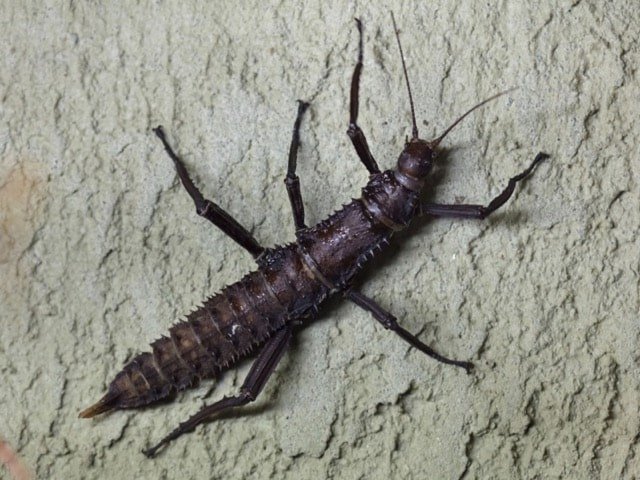
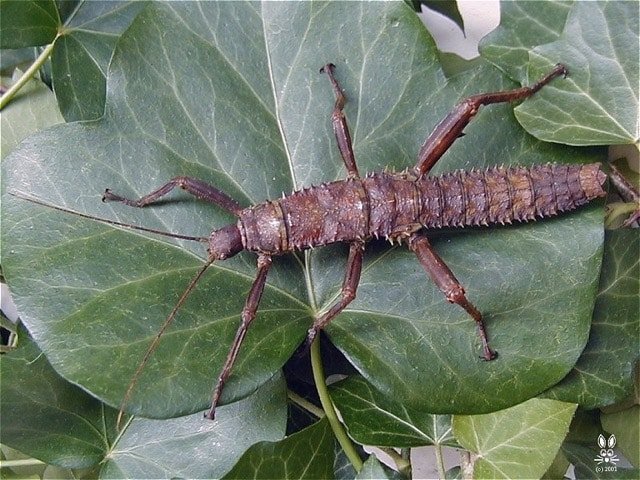
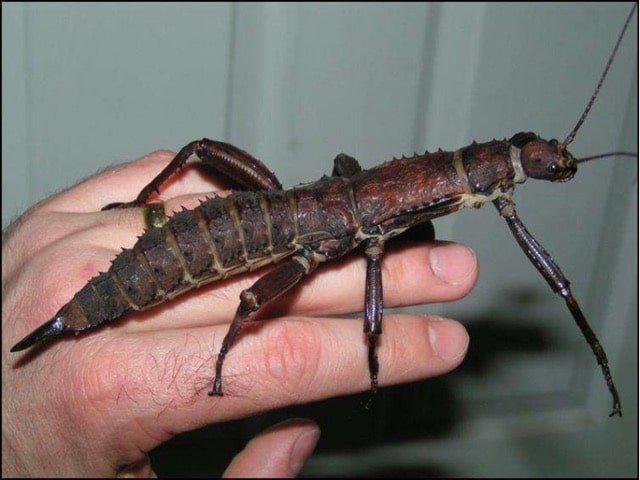
Eurycantha culcarata ‘giant spiny’
Price range: £3.50 through £20.00
Short Description
Scientific Name: Eurycantha calcarata
Common Name: Giant Spiny Stick Insect
PSG Number: PSG 23
Eurycantha calcarata ‘Giant Spiny Stick Insect’ is a large, armoured phasmid with a rugged prehistoric appearance. Additionally, it is hardy, fascinating, and rewarding to keep.
Heavily Armoured Appearance | 🌿 Easy to Maintain | ♻️ Captive Bred
Description
Scientific Name: Eurycantha calcarata
Common Name: Giant Spiny Stick Insect
PSG Number: PSG 23
Native Habitat
Eurycantha calcarata inhabits the tropical rainforests of Papua New Guinea and nearby islands. It spends the day sheltered amongst dense vegetation, beneath bark, or within tree crevices.
These habitats provide shelter, humidity, and abundant food plants. Consequently, this species thrives in warm forest environments.
Furthermore, dense vegetation offers protection during moulting and breeding. Therefore, similar conditions should be replicated in captivity.
Care Information
Eurycantha calcarat ‘Giant Spiny Stick Insect’ is a large, heavily armoured phasmid known for its rugged appearance and impressive size. Its thick body and prominent defensive spines create a prehistoric appearance.
Furthermore, its calm nature and fascinating behaviour make it highly rewarding to keep. As a result, it remains one of the most popular large stick insects in the hobby.
Unlike many slimmer phasmids, this species has a robust build and powerful legs. Consequently, adults create a striking display within naturalistic enclosures.
Temperature: 20-25°C
Humidity: Around 70%
Diet: Bramble, rose, oak, raspberry, and other suitable foliage
Difficulty: Easy to Moderate
Provide a tall, well-ventilated enclosure with plenty of climbing opportunities. Additionally, include vertical branches and natural hiding places.
Maintain moderate humidity while avoiding excessively damp conditions. Meanwhile, ensure good airflow throughout the enclosure.
Fresh food plants should always be available. Therefore, healthy growth and successful moulting remain supported.
Breeding Information
Females deposit eggs directly into the substrate. Consequently, eggs incubate safely before hatching several months later.
Under stable conditions, this species breeds readily in captivity. Furthermore, consistent warmth and humidity encourage successful reproduction.
Nymphs require fresh food plants, suitable ventilation, and stable conditions. As a result, healthy juveniles develop steadily into impressive adults.
Captive-Bred Details
All specimens are captive bred. Therefore, they adapt exceptionally well to life in captivity.
Their large size, armoured appearance, and engaging behaviour create exceptional display value. As a result, they remain highly desirable among phasmid enthusiasts.
Whether you maintain a breeding project or display enclosure, this species performs exceptionally well. Ultimately, few stick insects combine size, character, and ease of care so effectively.
Heavily Armoured Appearance | 🌿 Easy to Maintain | ♻️ Captive Bred
Additional information
| Stage | Singular Nymph, Set of 6, 2 Adult/sub-adult pairs |
|---|
Charlie Hersant –
Arrived in good condition, will be buying again!