
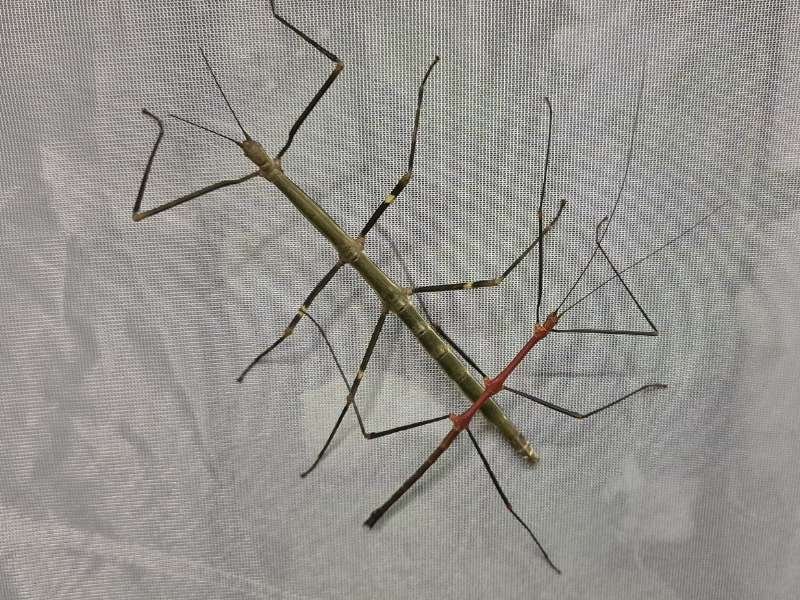
Lonchodiodes ‘Ruby and Emerald’
Price range: £4.00 through £20.00
Scientific Name: Lonchodiodes
Common Name: Ruby & Emerald Stick Insect
Locality: Ilocos, Philippines
Lonchodiodes ‘Ruby and Emerald’ is a stunning Philippine stick insect admired for its elegant shape and beautiful ruby and emerald colouration. This captive-bred species is calm, rewarding to keep and thrives on bramble, making it an excellent choice for both experienced phasmid keepers and those looking to add a truly unique species to their collection.
🦗 Captive Bred │ 🇵🇭 Ilocos, Philippines Locality │ 🌿 Feeds on Bramble │ 🌱 Striking Ruby & Emerald Colouration │ ⭐ Excellent Display Species
Description
Scientific Name: Lonchodiodes
Common Name: Ruby & Emerald
Locality: Ilocos, Philippines
Lonchodiodes ‘Ruby and Emerald’ is one of the most beautiful and sought-after stick insects currently available in the hobby. Native to the Ilocos region of the Philippines, this elegant species is admired for its slender build and the stunning ruby-red and emerald-green colours that develop as it matures. It offers a striking alternative to many of the more familiar phasmids kept in captivity.
Although its appearance immediately attracts attention, its behaviour is equally fascinating. Lonchodiodes ‘Ruby and Emerald’ is calm, slow-moving and spends much of the day perfectly disguised among branches and foliage. As darkness falls, it becomes far more active, climbing through the enclosure to feed before settling back into cover by morning.
Whether you’re new to keeping stick insects or expanding an established collection, this species offers a rewarding combination of beauty, fascinating behaviour and straightforward care.
Native Habitat of Lonchodiodes ‘Ruby and Emerald’
Lonchodiodes ‘Ruby and Emerald’ originates from the Ilocos region of northern Luzon, Philippines. This area supports tropical forests with warm temperatures, seasonal rainfall and dense vegetation throughout the year.
The insects spend most daylight hours resting motionless amongst branches and leaves. Their slender bodies and gentle swaying movements closely resemble twigs blowing in the wind, making them extremely difficult for predators to detect.
As night arrives, they leave their resting places and begin feeding on surrounding vegetation. This nocturnal lifestyle helps them avoid many daytime predators while taking advantage of cooler, more humid conditions.
Care Information for Lonchodiodes ‘Ruby and Emerald’
Enclosure
Provide a tall enclosure with excellent ventilation and plenty of vertical climbing space. Height is especially important because successful moulting depends on the insects hanging freely without obstruction.
Furnishing
Fill the enclosure with fresh food plant cuttings placed in water and plenty of branches for climbing and moulting. Replace food plants regularly to maintain freshness.
Temperature & Humidity
Maintain temperatures between 22°C and 27°C.
Keep humidity between 60% and 80% by lightly misting every few days. Allow the enclosure to dry slightly between mistings while maintaining good airflow.
Feeding
Lonchodiodes ‘Ruby and Emerald’ feeds readily on bramble (blackberry), making it an easy species to maintain throughout much of the year in the UK.
Many keepers also report excellent results using raspberry and rose. Always provide fresh foliage and remove wilted leaves promptly to encourage healthy feeding.
Temperament
This species has a calm and gentle temperament. When disturbed, it usually remains motionless or slowly sways instead of attempting to escape.
Its relaxed behaviour makes it an excellent species for observation and photography.
Handling
Handle these insects only when necessary. Allow them to walk naturally onto your hand instead of picking them up directly. Never handle individuals during or immediately after moulting because their new exoskeleton remains soft and vulnerable.
Breeding Lonchodiodes ‘Ruby and Emerald’
Lonchodiodes ‘Ruby & Emeralds’ reproduces sexually. Adult females drop individual eggs onto the enclosure floor throughout their lives.
Incubate the eggs on a slightly moist substrate with good ventilation. Depending on environmental conditions, they often hatch after several months.
Freshly emerged nymphs begin feeding soon after hatching and pass through several moults before reaching adulthood. Stable temperatures, suitable humidity and a constant supply of fresh food plants all contribute to healthy development.
Captive-Bred Lonchodiodes ‘Ruby and Emerald’
All of our Lonchodiodes ‘Ruby and Emerald’ are captive bred, helping reduce demand for wild-collected insects while supporting sustainable breeding within the hobby.
We rear every individual under carefully controlled conditions and ensure they are feeding well before dispatch. Each order is packed using specialist live insect packaging to maximise safety during transport.
As with all living animals, natural variation in colour, size and pattern is completely normal. These subtle differences make every individual unique while preserving the beautiful ruby and emerald appearance that gives this locality its popular name.
If you’re searching for a truly distinctive stick insect, Lonchodiodes ‘Ruby and Emerald’ is an outstanding choice. Its striking appearance, peaceful nature and fascinating life cycle make it a rewarding species that will become a highlight of any phasmid collection.
🦗 Captive Bred │ 🇵🇭 Ilocos, Philippines Locality │ 🌿 Feeds Readily on Bramble │ 🌱 Stunning Ruby & Emerald Colouration │ ⭐ Excellent Display Species
Additional information
| Amount | Singular Nymph, Set of 6 Nymphs |
|---|
Reviews
There are no reviews yet.